
Mindful Self Compassion
What would it be like to give yourself the kindness and support you give to those closest to you?
"If you want others to be happy, practice compassion.
If you want to be happy, practice compassion."
Dalai Lama


Gosia:
"These 8 weeks of being together in a group and experiencing the sisterly support that we have created is something wonderful. After this course I never want to leave myself alone. Never be against myself. Because when we are with each other for each other we can also be together."
Agnes:
"It was a fantastic course. I attend many courses and meetings but I have never seen such a group. Ela as a leader is great at holding the energy field, giving people space. There was a lot of openness and gentleness in the practice and at the same time structure and dynamics."
Aga:
"I was surprised by the variety of practices that can be used in any place and situation, and that self-compassion can be combative. Now I know how to easily improve my well-being and I know ways to take care of myself while taking care of others."
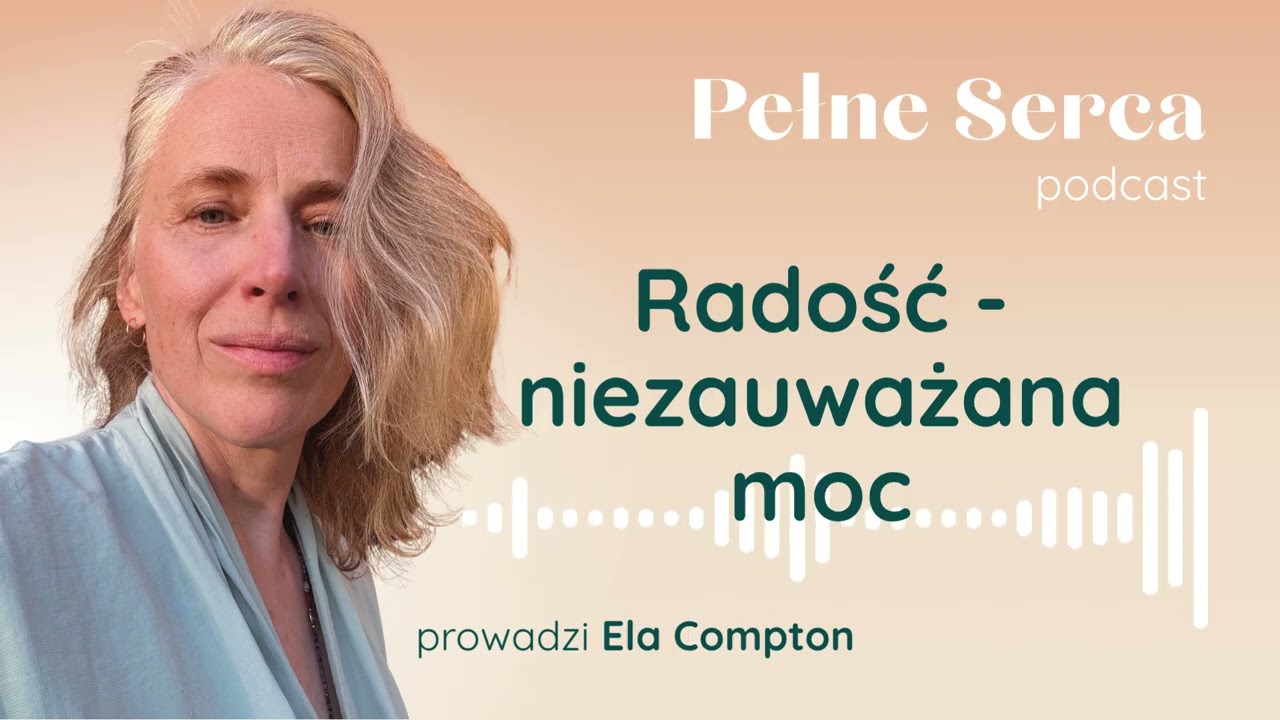
Listen to Ela Compton's conversation with Orina Krajewska
How do you discover kindness for yourself? Can it be learned? How can Heart-centered practice help, and how do you go about it? How does self-compassion relate to building health and inner balance?


Paulina:
"I was moved that for the first time I thought so strongly about myself. I had been to various mindfulness courses but this course was for me from start to finish.
May all people experience mindful self-compassion."
Ola:
"Taking this course is the path to unconditional love -
for yourself and for everyone."
Martha:
"The Self-Compassion course helped me change my attitude towards myself. I started treating myself not as an enemy but as a friend, with kindness."
Listen to Ela Compton's conversation with Orina Krajewska
Self-Compassion
How do you discover kindness for yourself? Can it be learned? How can Heart-centered practice help, and how do you go about it? How does self-compassion relate to building health and inner balance?
Research shows that Self-Compassion practices can:
Prevent burnout
Helps recognize and prevent burnout and caregiving fatigue
Increase mental resilience
They help you cope with difficult emotions and set healthy boundaries.
Reduce stress
Supports emotional regulation and neutralizes internal criticism
Support healthy habits
It helps maintain habits that support well-being
Najczęściej zadawane pytania o samowspółczucie
Czym różni się samowspółczucie od zwykłej pobłażliwości wobec siebie?
Samowspółczucie to nie rozleniwienie ani unikanie odpowiedzialności. To zdolność traktowania siebie z takim samym zrozumieniem i troską, jakimi obdarzylibyśmy bliską osobę w trudnej sytuacji, przy jednoczesnym zachowaniu uważności na własne potrzeby i wartości.
Czy self-compassion pomaga przy lęku i depresji?
Badania naukowe pokazują, że wyższy poziom samowspółczucia wiąże się z niższym poziomem lęku, depresji i przewlekłego stresu oraz lepszą regulacją emocji.
Ile trwa kurs Mindful Self-Compassion (MSC)?
Program MSC to 8-tygodniowy trening, uzupełniony dodatkowym dniem praktyki, oparty na badaniach naukowych stworzony przez dr Kristin Neff i Chrisa Germera PhD.
Czy każdy może nauczyć się samowspółczucia?
Tak samowspółczucia może nauczyć się każdy. Samowspółczucie jest umiejętnością, którą można rozwijać niezależnie od wieku i wcześniejszych doświadczeń życiowych. Nie jest konieczna znajomość uważności czy medytacji.
Czy kurs MSC to terapia?
Program ma charakter terapeutyczny, ale nie zastępuje terapii. Skupia się na wzmacnianiu zasobów emocjonalnych poprzez trening uważności i współczucia. Jest często zalecany przez terapeutów jako praktyczne wsparcie psychoterapii.